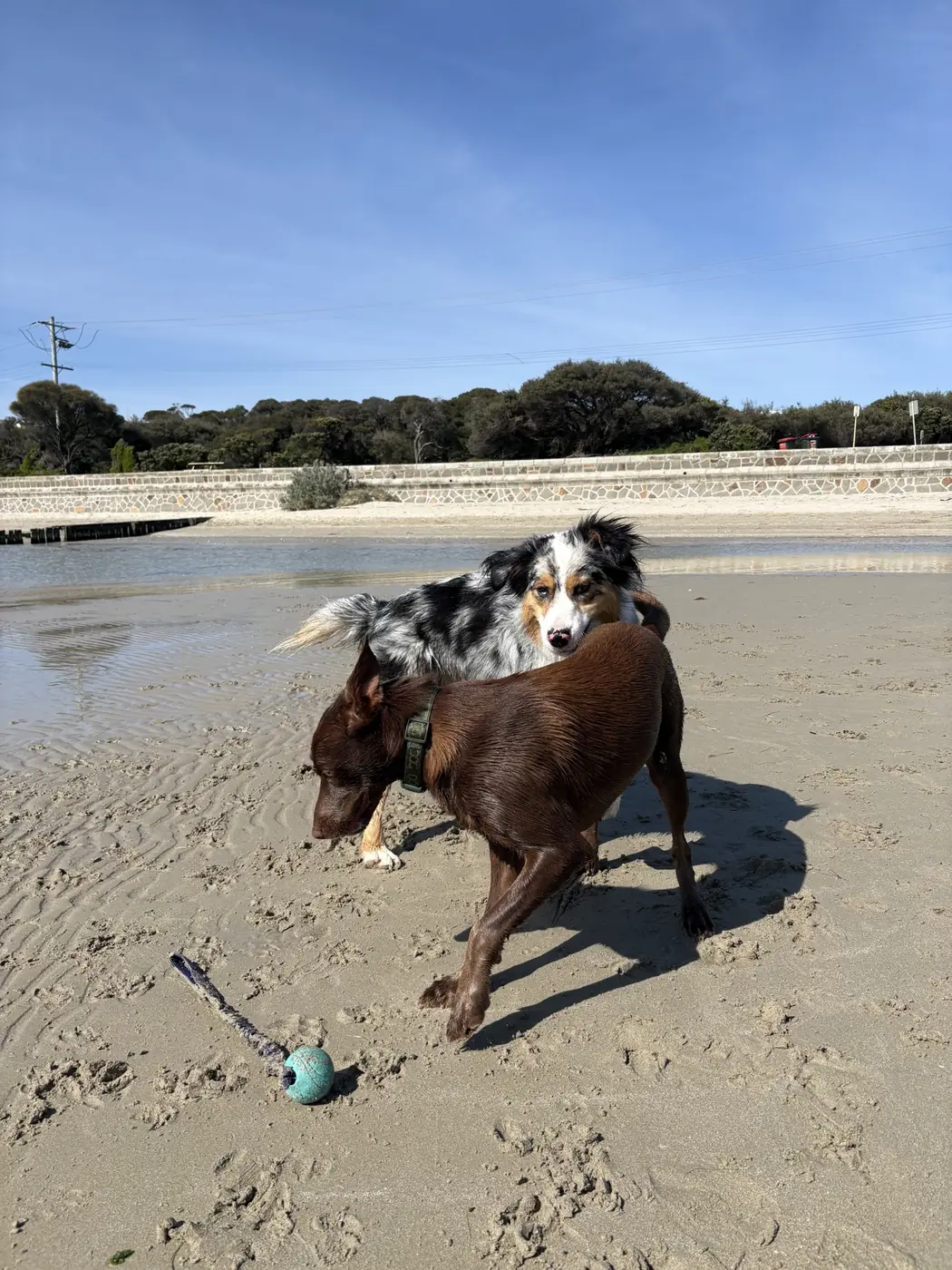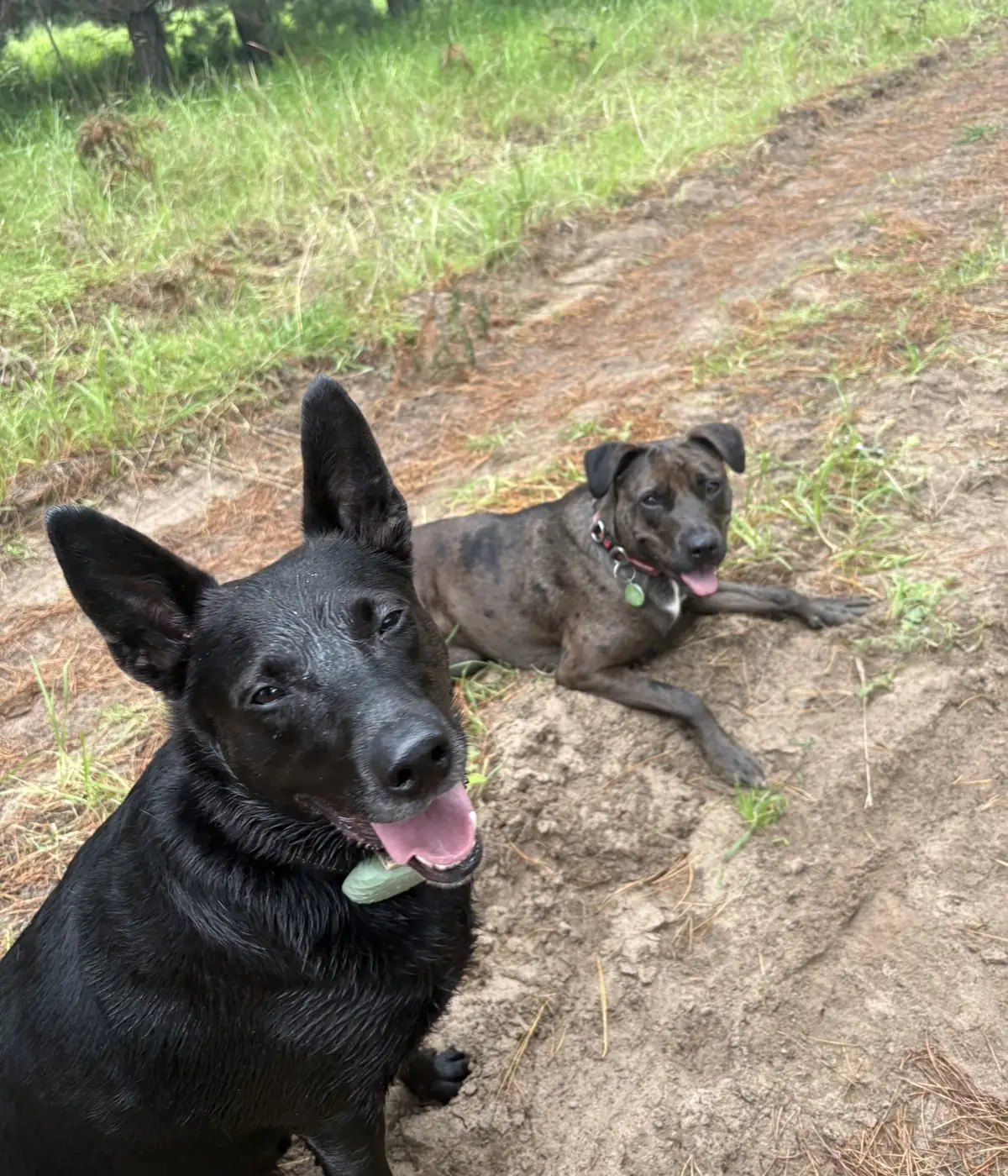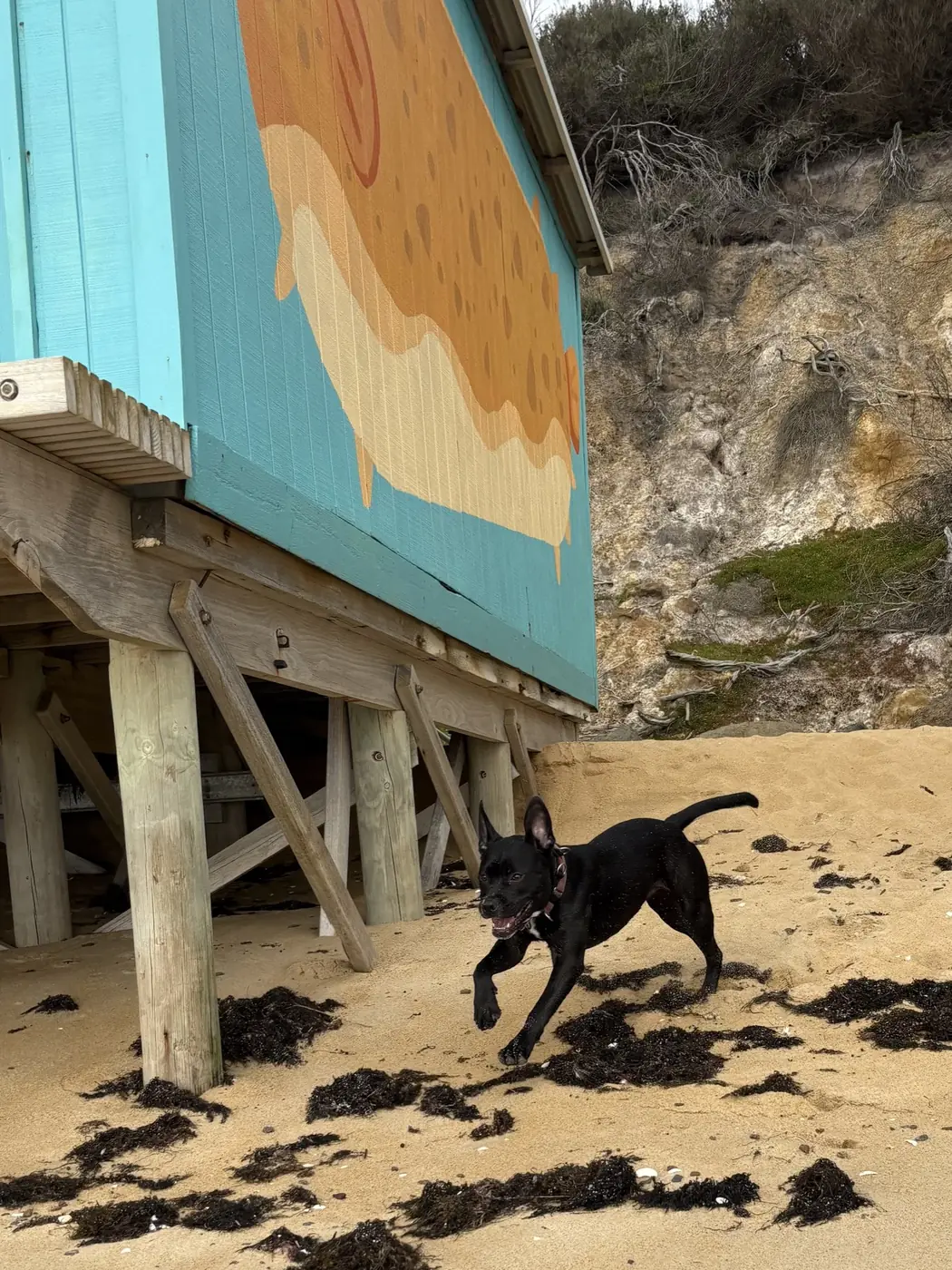
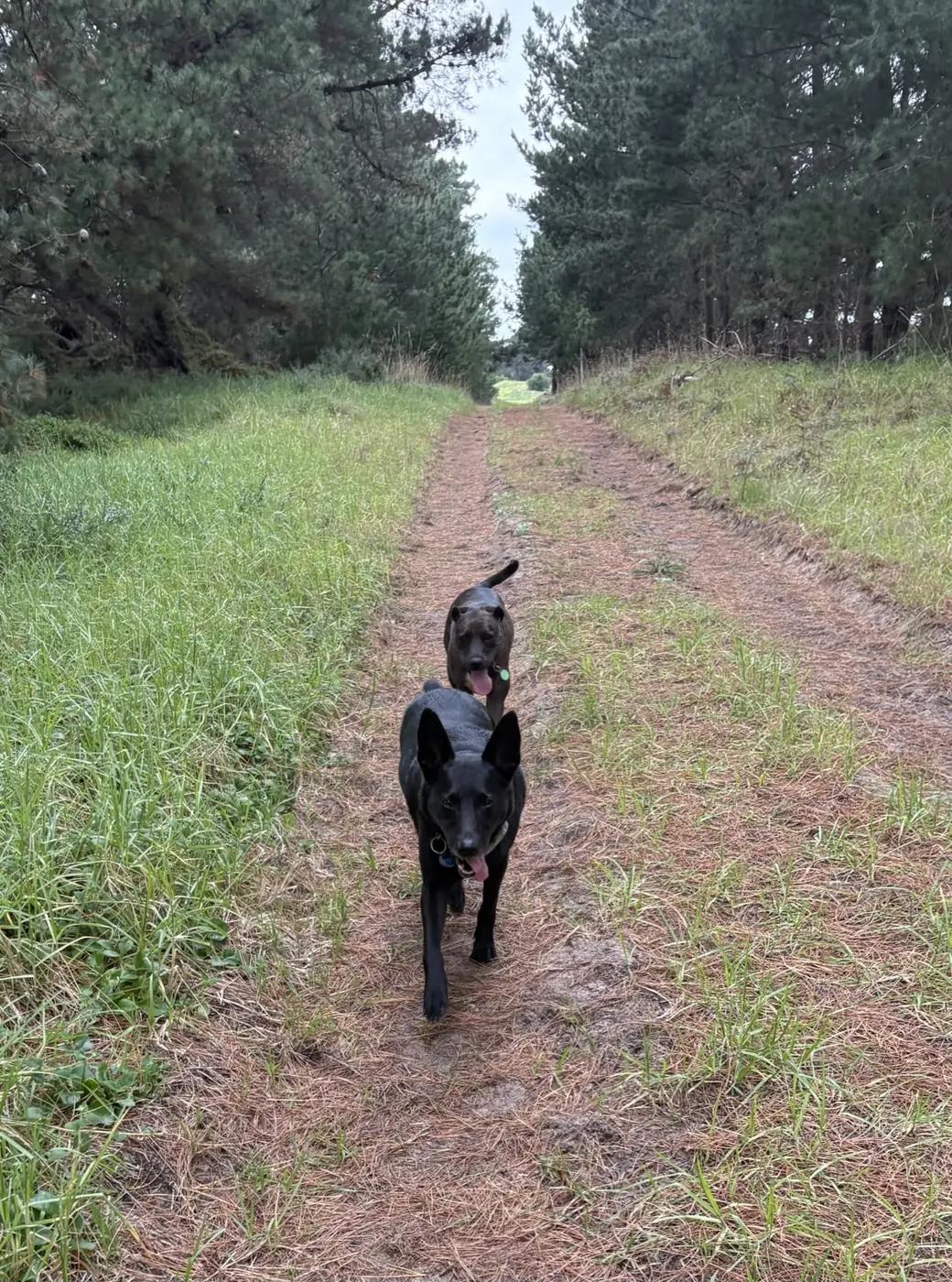
Beaches get most of the attention, but the Peninsula’s bushland is just as valuable for dogs. Trails, logs, leaf litter and wildlife scents offer a level of mental stimulation that’s hard to find anywhere else.
Why the bush is so good for dogs
- Scent: endless smells to investigate, which is calming and mentally tiring.
- Terrain: uneven ground, slopes and obstacles build balance, coordination and body awareness.
- Quiet: fewer people and dogs than busy beaches, which suits dogs who find crowds overwhelming.
- Problem solving: navigating real terrain is thinking work.
Staying safe in the bush
Snakes
Snakes are more active in warmer months. Stick to clear tracks where you can, keep dogs from poking into long grass and rock piles, and know where your nearest vet is. If you think your dog has been bitten, keep them calm and still and get to a vet immediately.
Wildlife
Native animals live in these areas. Keep dogs under effective control so they don’t chase or disturb wildlife, and follow the rules for each reserve. Many conservation areas and national park sections don’t allow dogs at all, so check the Mornington Peninsula Shire’s dog information and park signage first.
Heat and water
Bush tracks can be warmer and drier than you expect. Carry water, take breaks in the shade and walk early on hot days.
Ticks, grass seeds and burrs
Check your dog’s coat, ears and paws after every bush walk, and talk to your vet about appropriate parasite prevention.
Lead, long line or off-lead?
Off-lead freedom can be wonderful, but only where it’s legal, safe and your dog’s recall is reliable around distractions. A long line is a great middle ground: your dog gets space to explore while you keep control.
Bush adventures with Bark & Hike
Our bush adventures are built around scent work, exploration and terrain navigation, with small, carefully matched packs and constant supervision.