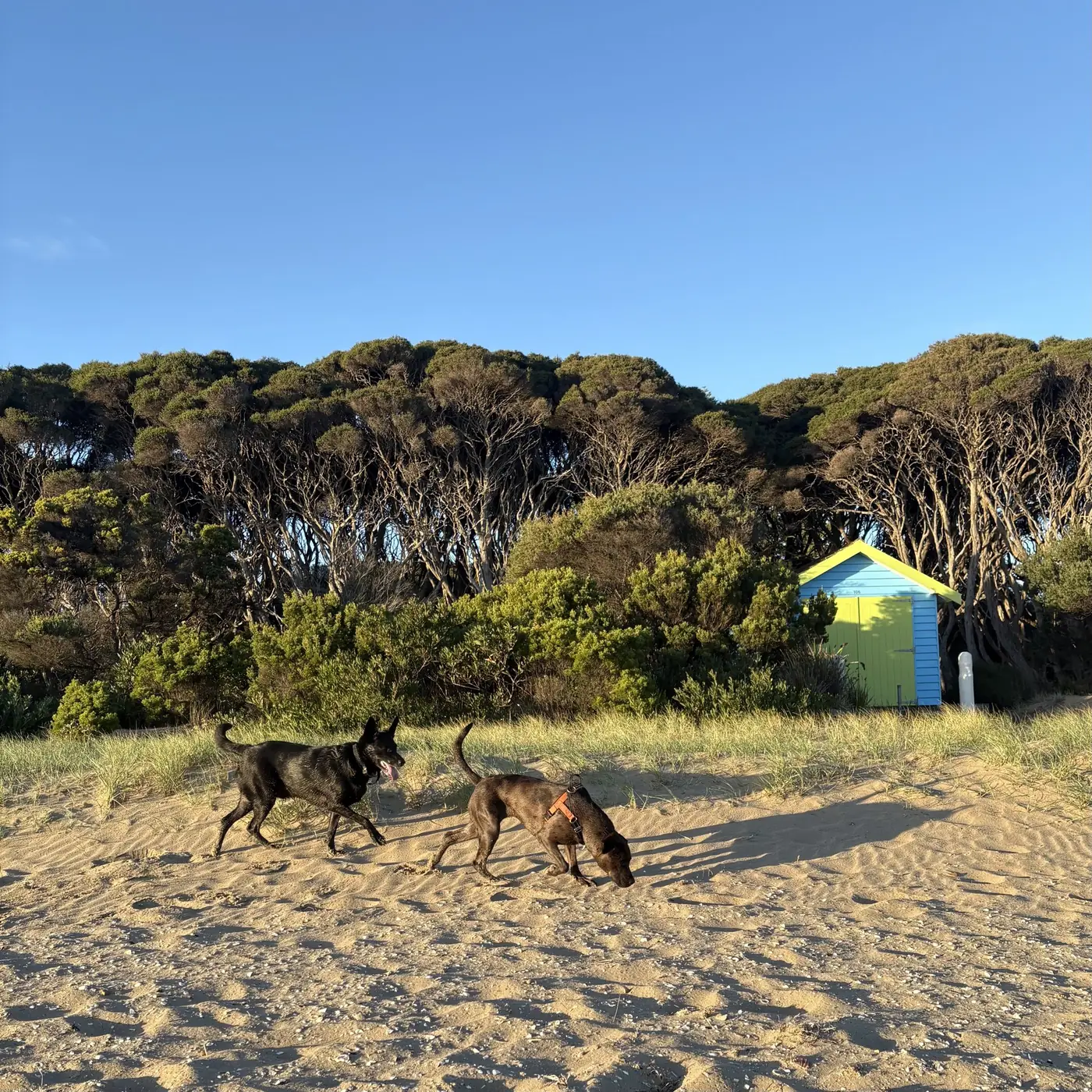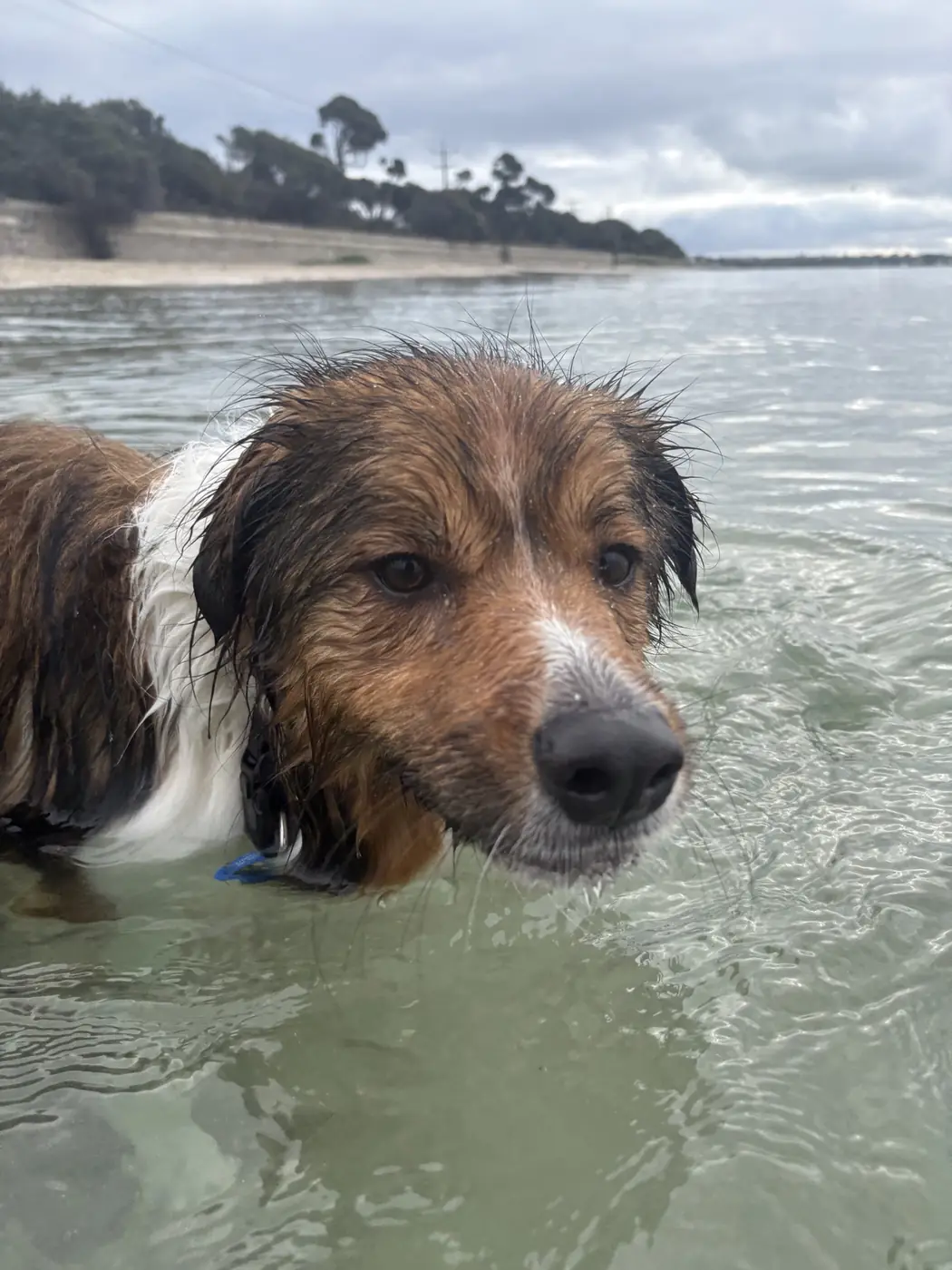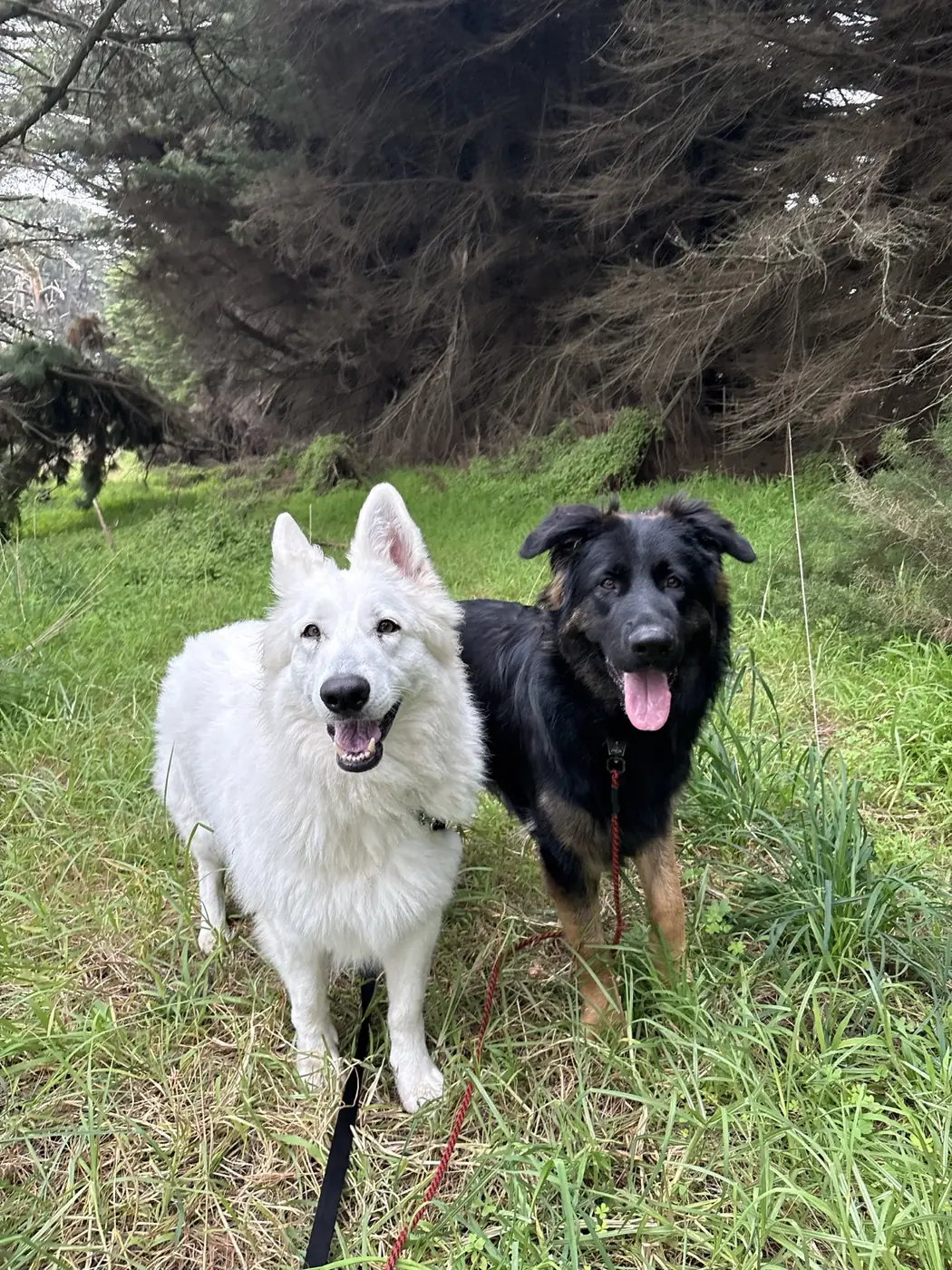
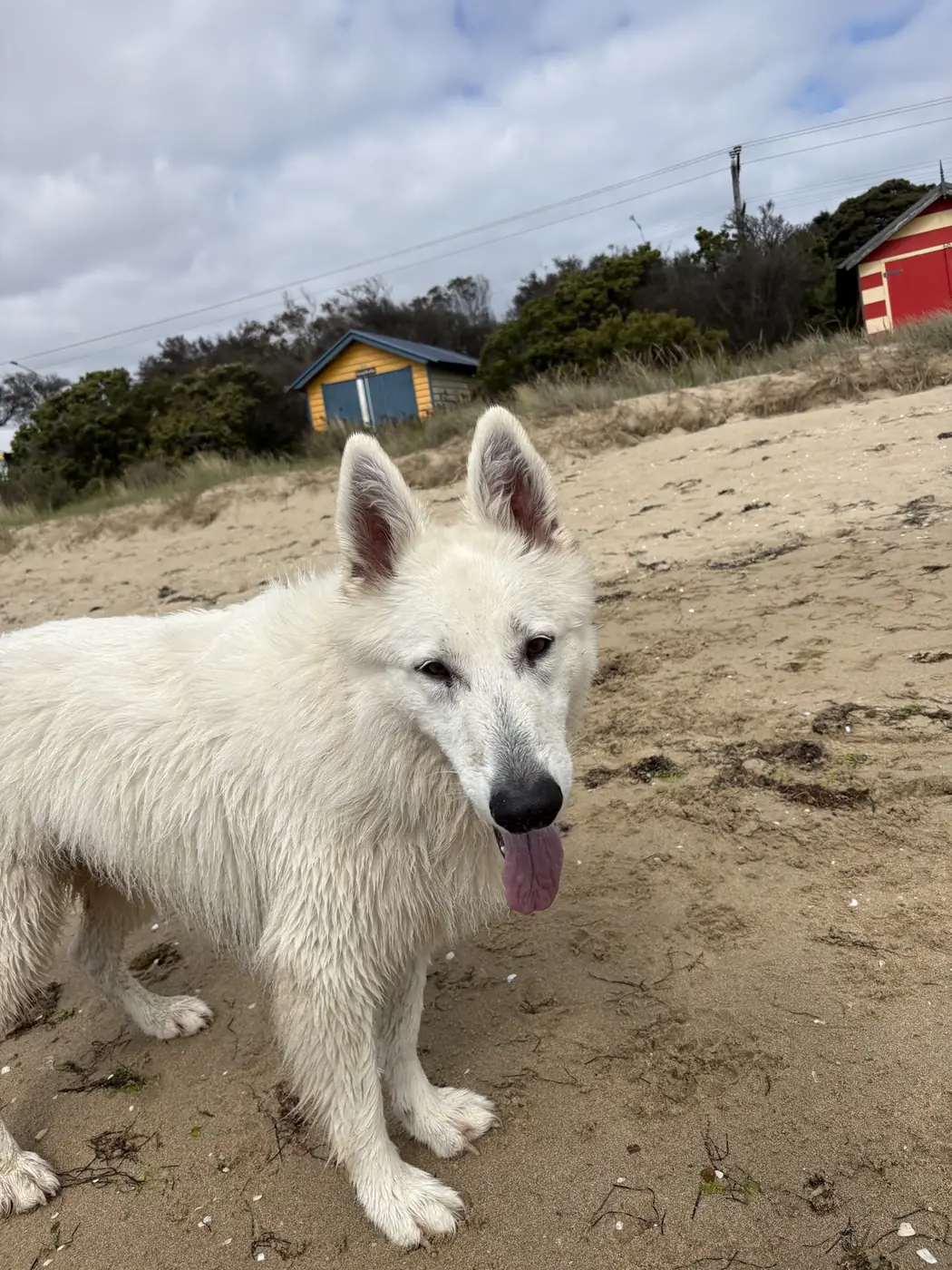
Bringing home a puppy is exciting, and everyone tells you to “socialise” them. But socialisation is often misunderstood. Done well, it builds a confident, adaptable adult dog. Done badly, it can create the very fears it’s meant to prevent.
Socialisation isn’t meeting everyone
Good socialisation is about positive experiences, not the number of dogs or people a puppy meets. A puppy who is overwhelmed by a crowded dog park learns that the world is scary. A puppy who watches other dogs calmly from a comfortable distance learns that the world is manageable.
Three principles we follow
Choice
Let your puppy choose whether to approach something new. Never push, drag or force an interaction. Socialisation does not mean forcing dogs to interact.
Distance
Start far enough away that your puppy can notice something new and stay relaxed. Let them get closer when they’re ready.
Short and positive
Keep experiences brief, end on a good note, and pair new things with treats, play or calm praise.
What to expose your puppy to
- Different surfaces: sand, grass, gravel, boardwalks and shallow water.
- Calm, well-mannered adult dogs.
- People of different ages, appearances and movements.
- Everyday sounds: traffic, waves, wind, bikes and household noise.
- Car travel, handling, grooming and vet visits.
Health first
Talk to your vet about vaccinations and when your puppy can safely visit public places and meet other dogs. Your vet can tailor advice to your puppy.
Age-appropriate exercise
Puppies need play and exploration, but their bodies are still developing. Short sessions, natural movement and plenty of rest are better than long runs or repetitive high-impact exercise. Ask your vet about what’s suitable for your puppy’s breed and age.
How Bark & Hike can help
We offer puppy adventures with age-appropriate socialisation, and one-to-one training for owners who want guidance. Every dog starts with a meet & greet, so we can recommend the right next step for your puppy.