Walking your dog every day is a great habit. But for a lot of dogs, especially younger and working breeds, a quick loop of the neighbourhood doesn’t meet their needs. Here’s why, and what you can do about it.
What footpath walks are good for
Lead walks keep dogs moving, build routine, and give you time together. They’re also where many everyday skills, like loose lead walking and calmly passing other dogs, get practised. They definitely have a place.
What they often miss
- Pace: most dogs naturally move faster than we walk. On a short lead they rarely get to trot, run or change speed.
- Sniffing: we tend to hurry dogs past the smells they find most interesting.
- Variety: the same route, the same smells and the same surfaces every day.
- Choice: the person decides where, how fast and how long.
- Decompression: busy streets, traffic, other dogs and people can be stimulating, or stressful, rather than relaxing.
What to add
Sniff time
Let your dog lead some of the walk at a slower pace, and allow them to investigate. Even ten minutes of genuine sniffing can make a noticeable difference.
Different terrain
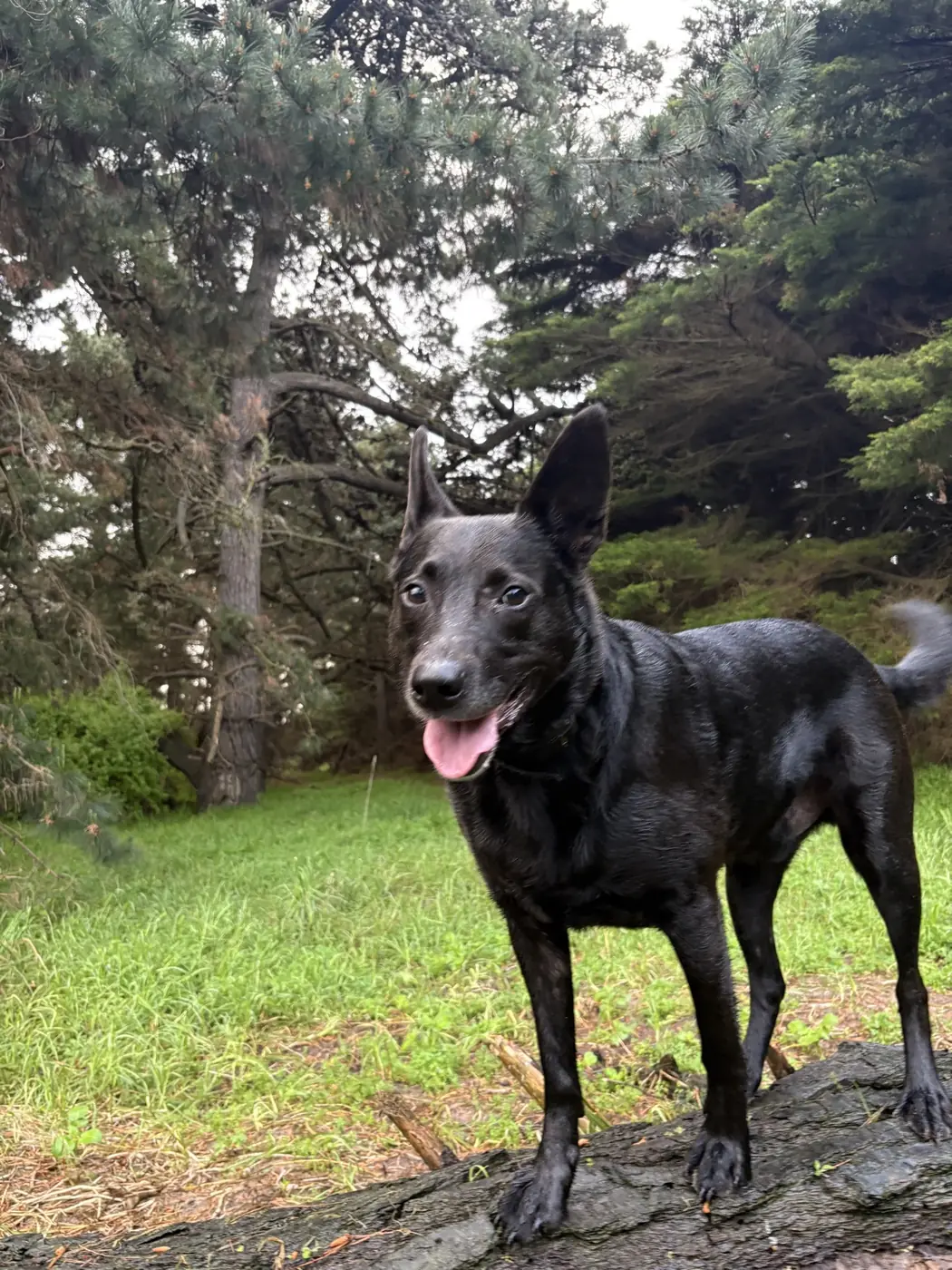
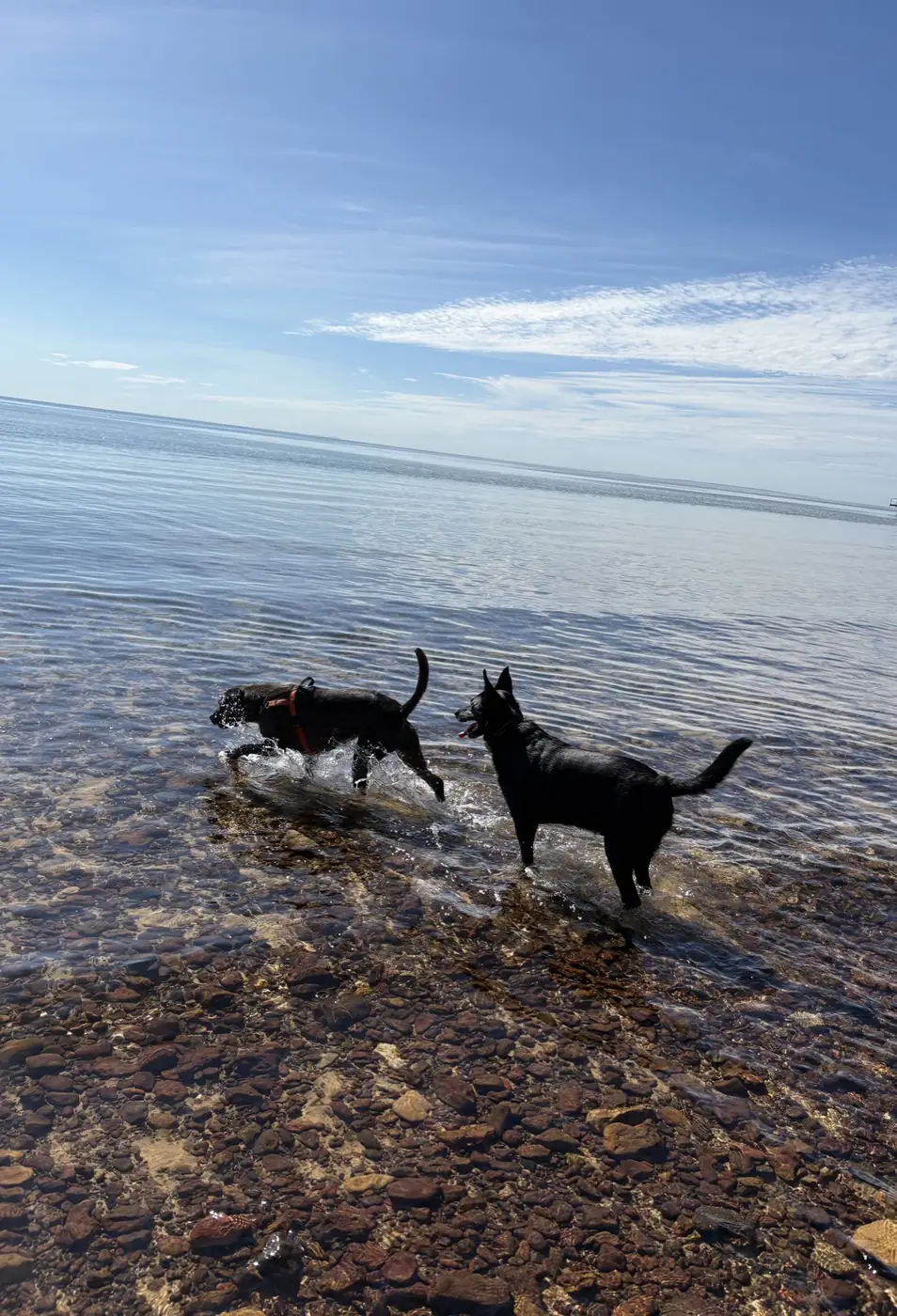
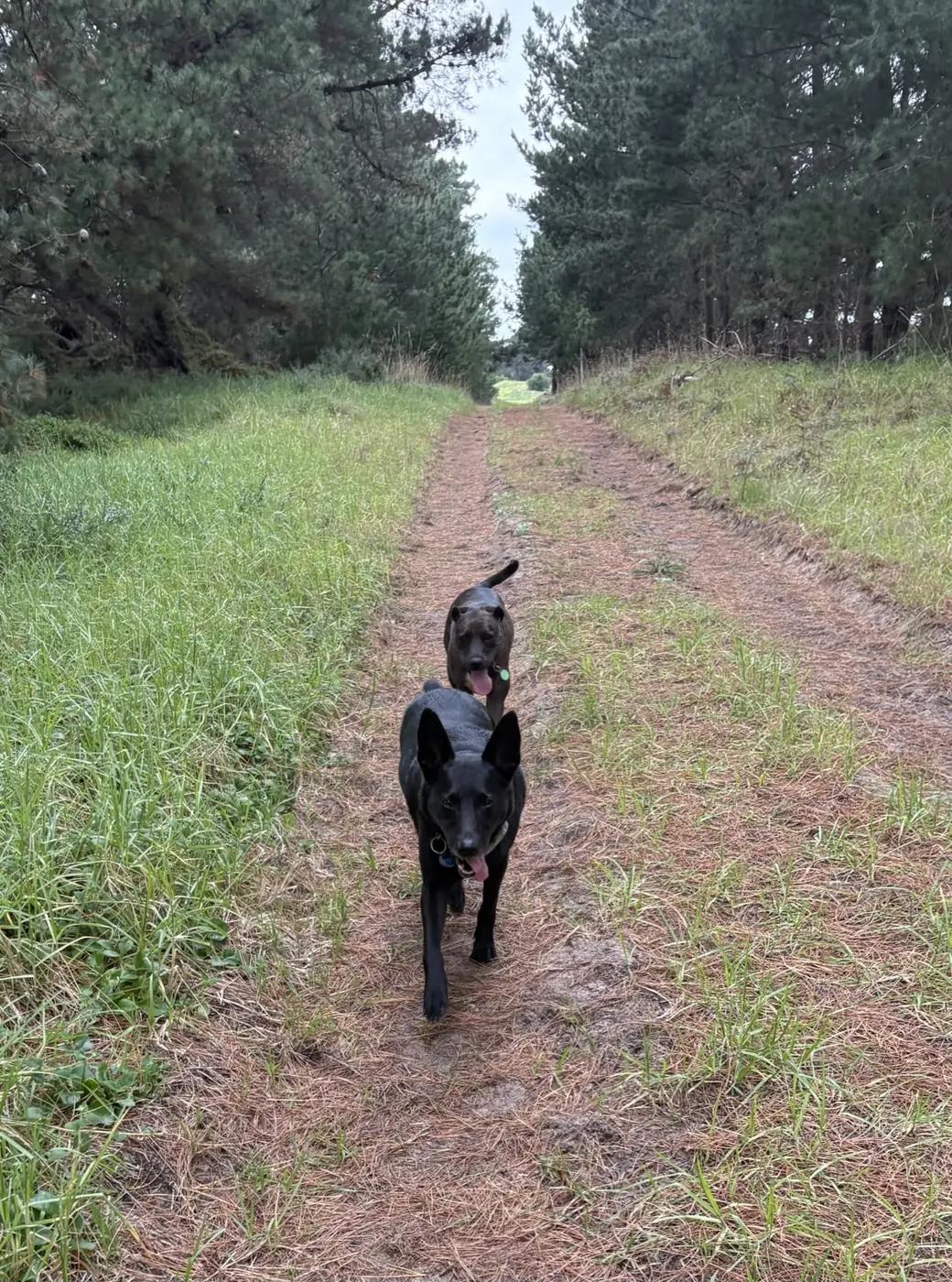
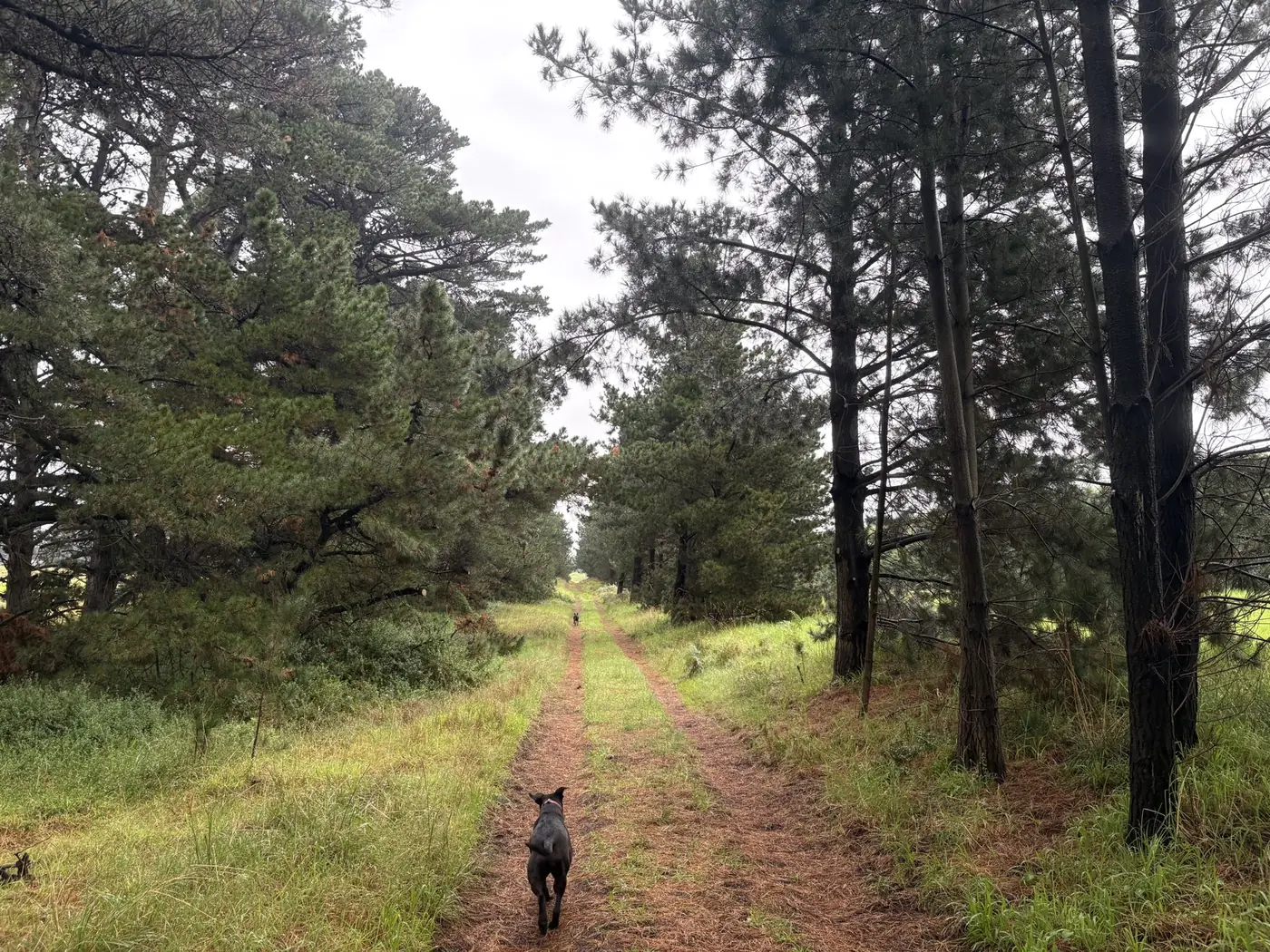
Sand, grass, bush tracks and shallow water all ask more of a dog’s body and brain than concrete. The Mornington Peninsula has all of them within a short drive.
Space
Where it’s legal and safe, a long line or a designated off-leash area lets dogs move at their own pace. Check the Mornington Peninsula Shire’s dog information for current off-leash areas and seasonal restrictions.
A job to do
Find-it games, scatter feeding, tug and fetch give dogs a purpose and a chance to use their natural drives.
When life gets busy
Not everyone has the time to drive to the beach every day, and that’s exactly why we started Bark & Hike. Our adventures include door-to-door pick-up, so your dog gets real nature time even on your busiest days.